

Architectural technology has become one of the fastest-growing fields in the modern construction industry, blending design, engineering, and advanced digital tools to create smarter, safer, and more sustainable buildings. As global demand for energy-efficient infrastructure increases, architectural technology is reshaping how architects, engineers, and developers plan, design, and build structures. In 2026, the integration of cutting-edge innovation is no longer optional—it is essential for staying competitive in the evolving construction ecosystem.
One of the most influential advancements in architectural technology is the rise of Building Information Modeling (BIM). BIM provides a fully digitized representation of a building’s structure, systems, and materials, allowing professionals to detect design conflicts, reduce construction errors, and cut project costs. With BIM 360 and other cloud-based platforms becoming industry standards, collaboration between architects and contractors has reached a new level of accuracy and efficiency.
Another major breakthrough is the adoption of Artificial Intelligence (AI) and machine learning in architecture. AI-powered design tools can analyze environmental data, optimize building layouts, and forecast energy consumption with exceptional precision. These tools help architects create smart building designs that reduce energy waste, improve safety, and enhance overall performance. AI-driven predictive modeling is becoming indispensable for large-scale commercial and residential projects.
In addition to AI, 3D printing and robotics are revolutionizing construction practices. Large-scale 3D printers can now produce structural components, interior walls, and even entire housing units at a fraction of traditional costs. Robotics are being used for tasks such as bricklaying, welding, and automated surveying—reducing labor costs and increasing project speed. These technologies not only improve productivity but also minimize workplace injuries and human error.
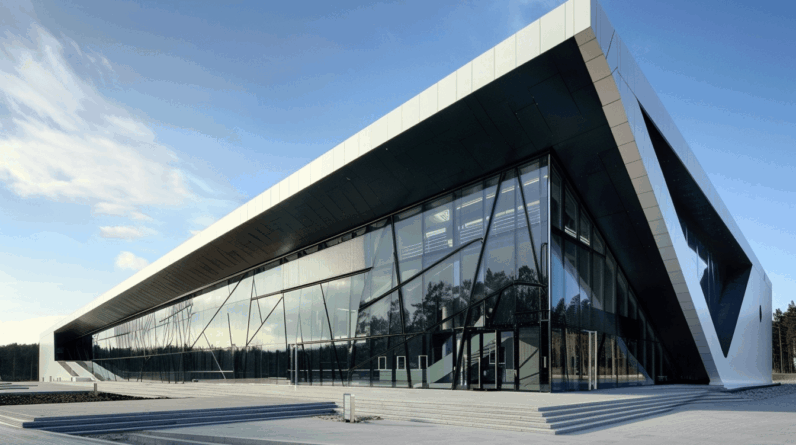
Sustainability has become a central theme in architectural technology, especially in 2026. Architects worldwide are shifting toward eco-friendly building materials, solar-powered systems, and green design principles. Innovations such as smart glass, self-healing concrete, and modular construction are helping reduce carbon footprints and increase the durability of modern structures. Sustainable design is no longer a trend; it is a global requirement driven by climate regulations and energy standards.
Smart buildings, equipped with Internet of Things (IoT) sensors, are becoming more common in both residential and commercial sectors. These sensors monitor temperature, air quality, lighting, and energy consumption in real time. Smart architecture allows building owners to track performance, reduce energy bills, and create a healthier indoor environment. With the growth of smart cities, IoT integration is now a primary selling point for modern development projects.
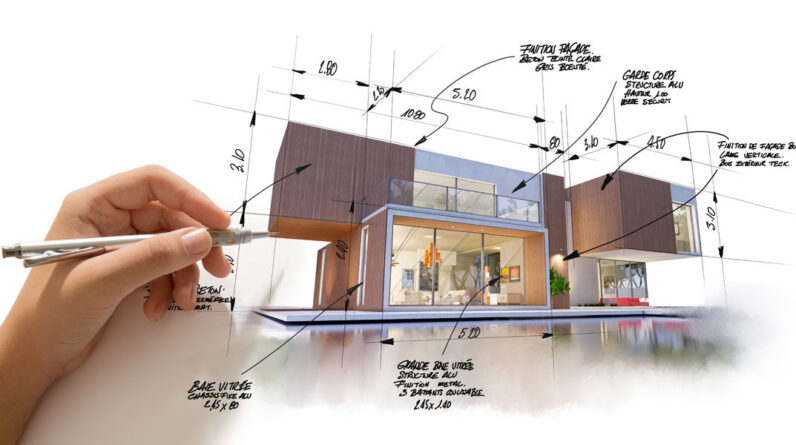
The evolution of architectural technology is also transforming the role of the architect. Instead of relying solely on manual sketches or traditional drafting, today’s architects must master digital tools, data analytics, and engineering systems. The profession now demands a blend of technical knowledge, creativity, and software expertise. As a result, architecture programs and industry training are increasingly focused on computational design, digital fabrication, and sustainability technologies.
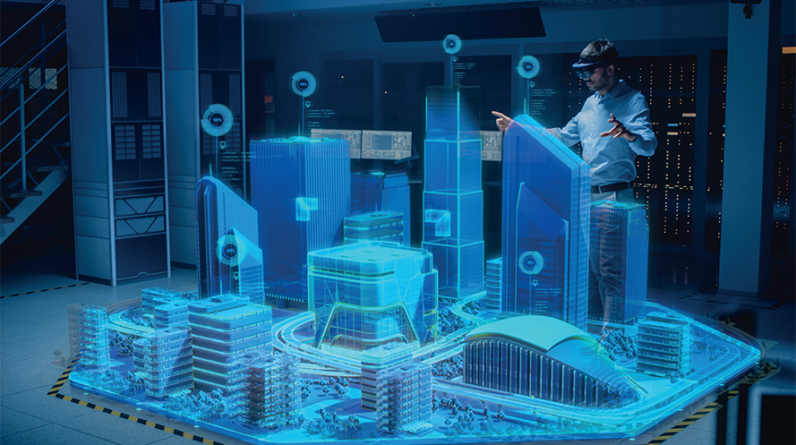
Furthermore, virtual reality (VR) and augmented reality (AR) are enhancing the design experience for clients and project teams. VR allows clients to walk through digital models before construction begins, helping them visualize spaces and request changes early in the design phase. AR overlays digital information onto physical job sites, improving accuracy during construction and reducing costly design errors.
Despite the many advantages, the adoption of architectural technology also presents challenges. Smaller firms may struggle with high implementation costs, software training, and integration with existing workflows. However, as technology becomes more accessible and cloud solutions reduce hardware expenses, even small architecture studios can benefit from modern digital tools. The long-term savings often outweigh the initial investment.
Conclusion
Architectural technology is redefining the future of design and construction, making buildings smarter, safer, and more sustainable than ever before. From AI-driven design tools and BIM modeling to 3D printing, robotics, and smart materials, these innovations are helping architects create structures that meet the demands of modern living. As global interest in energy efficiency and digital construction continues to rise, mastering architectural technology will be essential for professionals and developers who want to thrive in 2026 and beyond.