

Becoming an architect is one of the most rewarding career paths for individuals with a passion for design, creativity, and problem-solving. In 2026, the demand for trained architects continues to rise as cities grow, infrastructure expands, and sustainable building solutions become a global priority. This guide explores the complete roadmap to becoming an architect, offering essential steps, skills, and industry insights that support long-term career success.
The first step to becoming an architect is earning a degree from an accredited architecture program. Most countries require students to complete a Bachelor of Architecture (B.Arch) or Master of Architecture (M.Arch) before they are eligible for licensing. These programs teach foundational knowledge, including architectural design, building technology, structural engineering, digital modeling, and sustainable construction principles—skills highly valued in modern architectural firms.
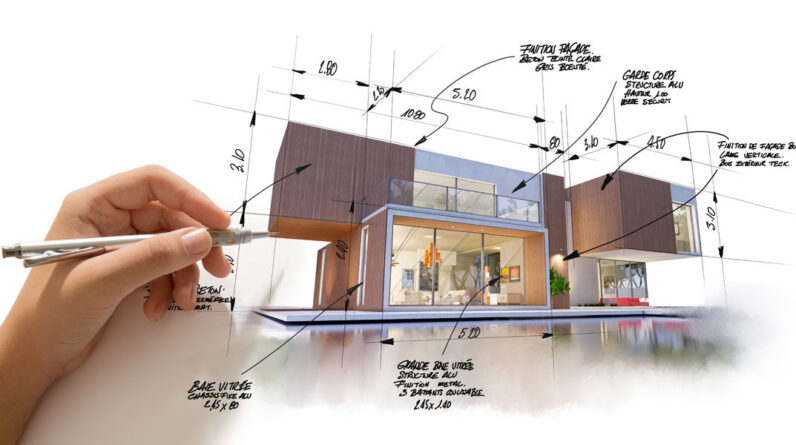
During your studies, building a strong architectural portfolio is essential. Employers and graduate programs prioritize candidates who demonstrate creativity, technical ability, and mastery of digital tools like AutoCAD, Revit, SketchUp, and BIM (Building Information Modeling) software. A high-quality portfolio showcasing innovative concepts, urban planning projects, and detailed renderings can significantly increase your job opportunities and earning potential.
Practical experience is another critical component of becoming an architect. Most students complete architectural internships at design studios, construction companies, or engineering firms. These internships provide hands-on exposure to real-world projects, client meetings, site inspections, and project management tasks. Practical experience also helps students understand building codes, project budgets, and the collaborative nature of the construction industry.
After completing your degree and gaining experience, the next milestone is passing the architectural licensing examination. Licensing requirements vary by region but typically include a series of exams covering building regulations, safety standards, structural systems, and professional ethics. Becoming a licensed architect not only enhances your credibility but also increases your ability to work independently and take on larger, high-value projects.

Architects in 2026 must also develop expertise in sustainable architecture and green building design, two of the most in-demand specialties in the industry. As governments and corporations push for zero-emission buildings and renewable-energy solutions, architects who understand energy-efficient materials, carbon-neutral construction, and smart-building technologies enjoy higher career growth and higher salaries globally.
In addition to technical knowledge, architects must strengthen their communication, leadership, and project management skills. Architecture is a collaborative profession that requires working with engineers, contractors, clients, government agencies, and real-estate developers. Strong interpersonal skills help architects translate complex ideas into functional and aesthetically appealing spaces that meet client expectations and regulatory standards.
Career opportunities for architects vary widely. Professionals may specialize in residential design, commercial architecture, urban planning, interior design, landscape architecture, or industrial facilities. High-growth sectors such as sustainable energy, smart cities, and large-scale infrastructure projects offer some of the highest-paying roles in the architecture industry. Architects with strong digital skills and advanced certifications often earn significantly higher salaries.
As technology evolves, architects must stay updated with AI-powered design tools, 3D modeling software, drone surveying, and automated building analysis. Continuous learning is essential for long-term success, and many architects pursue advanced certifications or postgraduate degrees to remain competitive in a fast-changing industry. Adaptability and innovation are becoming just as important as traditional design abilities.
Conclusion
A successful career in architecture requires dedication, creativity, and continuous learning. By completing an accredited degree, building a strong portfolio, gaining hands-on experience, and earning a professional license, you can become a competitive and highly skilled architect. With global demand rising for sustainable buildings, innovative design, and smart infrastructure, the opportunities in architecture are broader and more lucrative than ever. Whether you aim to design iconic structures or shape the future of urban living, the journey to becoming an architect in 2026 offers unlimited potential.