

1. The Evolution of Modern Architecture
Modern architecture in 2025 continues to evolve rapidly as technology, sustainability, and lifestyle trends shape how buildings are designed and constructed. Architects are no longer just creators of structures—they are problem-solvers blending creativity with innovation. With AI-powered design tools, sustainable building materials, and energy-efficient technologies, the architectural world is entering a new digital and ecological era.
2. Sustainable and Green Building Design

One of the most dominant trends in 2025 is eco-friendly and sustainable architecture. Architects are prioritizing renewable energy sources, solar panels, and carbon-neutral materials to reduce environmental impact. Clients increasingly prefer LEED-certified buildings, while governments encourage green building initiatives through tax incentives. Sustainable design is no longer optional—it’s a professional and ethical necessity.
3. Smart Homes and AI-Driven Design

The rise of AI and smart home technology is transforming how modern architecture is conceptualized. AI can now simulate energy usage, optimize space planning, and even predict long-term maintenance costs. With the integration of IoT-enabled devices, homes can automatically adjust lighting, temperature, and air quality, enhancing both comfort and energy efficiency. AI architecture software such as Revit 2025, AutoCAD AI Assist, and Midjourney 3D modeling tools are revolutionizing workflow.
4. Minimalism with Purpose
Minimalism remains at the heart of modern architecture, but 2025 brings a new twist—functional minimalism. Architects are focusing on spaces that prioritize efficiency, natural light, and emotional balance. Simple geometric lines, open layouts, and sustainable materials such as bamboo and recycled steel create both beauty and practicality. Homeowners are investing in designs that feel serene yet purposeful.
5. Adaptive and Resilient Architecture
With increasing global climate challenges, adaptive architecture has become essential. Buildings are now designed to withstand floods, heatwaves, and natural disasters. The use of modular construction systems and biophilic designs allows architects to build resilient structures that adapt to environmental change. Coastal cities are leading this transformation with flood-resistant homes and floating architecture.
6. Digital Twin Technology and Virtual Reality

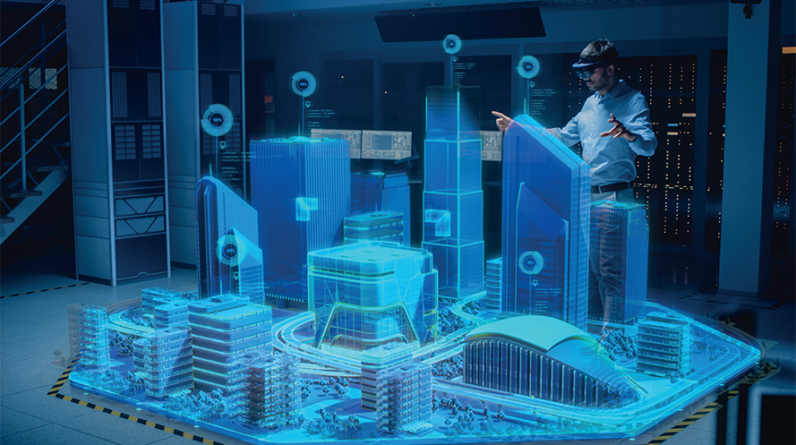
Digital twin technology allows architects to create a virtual replica of a building before construction even begins. Using VR (Virtual Reality) and AR (Augmented Reality), clients can explore and interact with their future spaces. This not only improves accuracy in planning but also reduces costs and waste. In 2025, the fusion of BIM (Building Information Modeling) and AI visualization tools is redefining collaboration between architects, engineers, and investors.
7. Human-Centered Design
Modern architecture in 2025 emphasizes well-being and human experience. Buildings are now designed to support mental health, promote productivity, and foster social interaction. Natural lighting, acoustic control, green walls, and open communal spaces are becoming key features in offices and residential complexes. The goal is not just to create structures, but to enhance human life through intelligent design.
8. The Rise of Modular and Prefabricated Construction
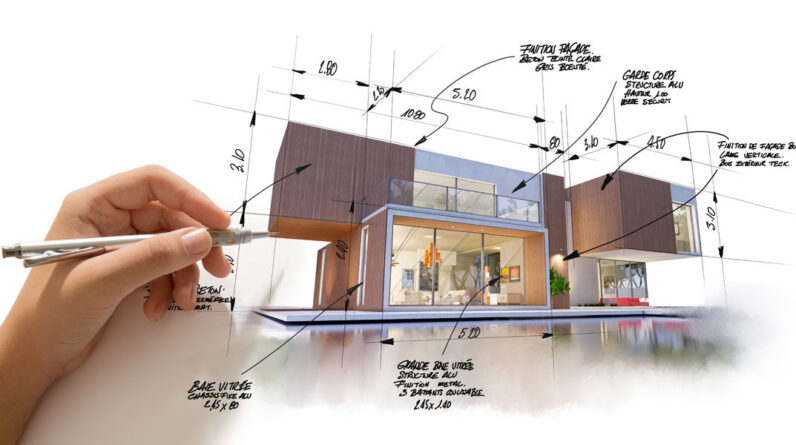
Prefabrication and modular design have gained enormous popularity due to cost efficiency and speed. Architects can now design modular homes that can be built off-site and assembled in days. This method minimizes construction waste, shortens timelines, and aligns perfectly with sustainable architecture practices. Major firms are integrating modular systems with digital design platforms to achieve precision-based architecture.
9. Urban Regeneration and Smart Cities
As urbanization accelerates, smart city development is reshaping architecture. Cities in 2025 focus on integrating digital infrastructure, green public spaces, and renewable energy systems. Architects are working closely with governments to create data-driven urban planning solutions that improve quality of life, reduce pollution, and support digital connectivity.
10. Conclusion: The Future of Architecture Is Intelligent and Sustainable
The architecture industry in 2025 is at a turning point. Technology, sustainability, and human-centric design are converging to create a smarter, greener, and more inclusive future. Architects must embrace AI design tools, sustainable materials, and digital collaboration platforms to stay competitive. As we move toward the next decade, the most successful architects will be those who balance creativity with data-driven innovation, shaping a world where design meets purpose.